The Definitive Guide to the Best Lokum Manufacturers and Purveyors in Germany

The Rise of Gourmet Lokum in Germany: Finding Authentic Turkish Delight

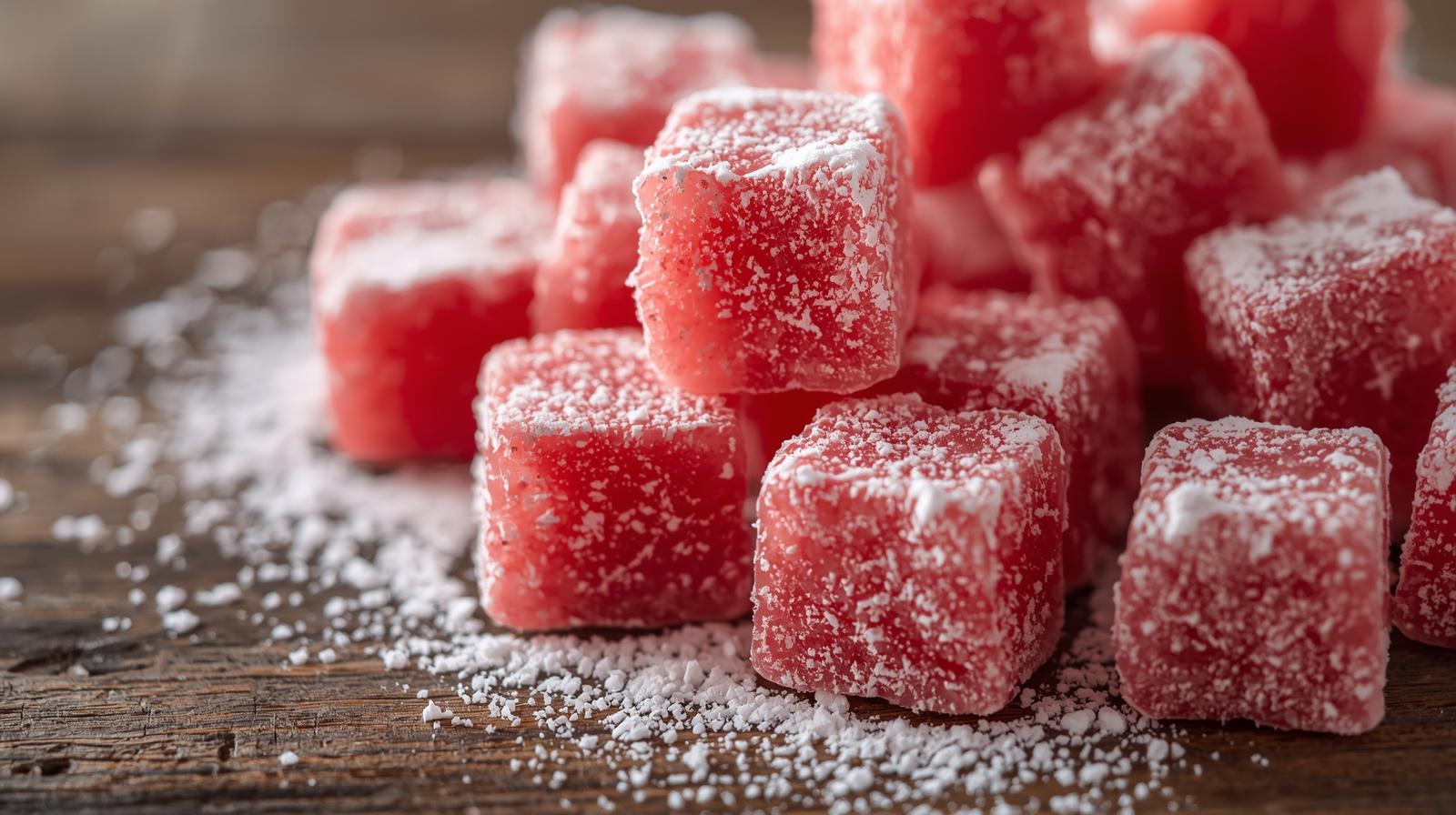
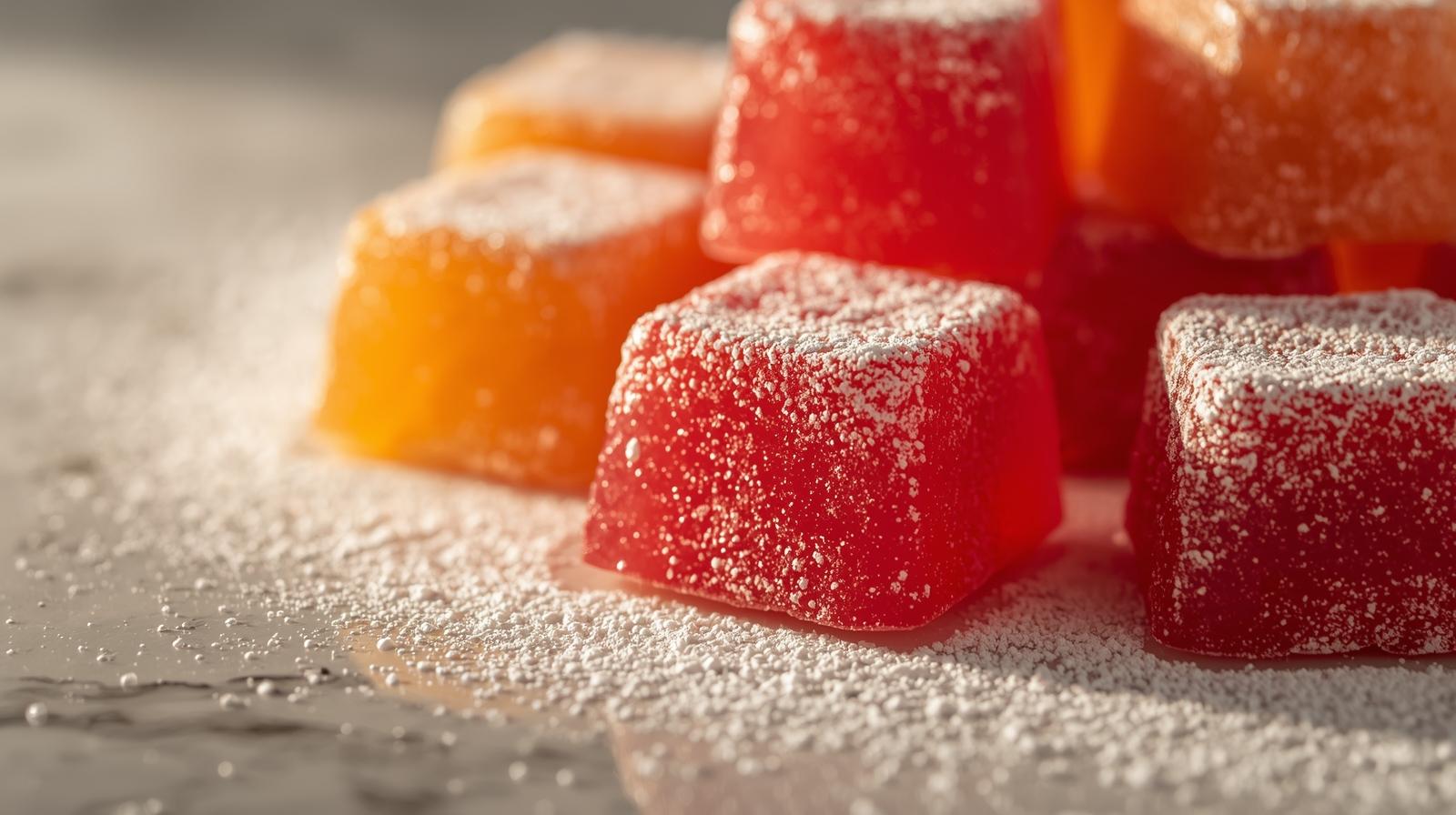
Germany stands as a central hub for culinary exchange, offering an impressive array of international delicacies. Among these, the soft, aromatic squares of Turkish delight, known globally as lokum, have carved out a significant niche. While often associated purely with Turkish cuisine, the best purveyors of quality lokum in Germany blend traditional Anatolian recipes with strict German quality control and innovative flavor profiles.

For the discerning consumer, simply finding Turkish delight is not enough. The quest is for premium lokum—the kind that melts delicately, offers natural fruit and nut flavors, and avoids excessive artificial sweetness. This expert guide dives deep into the landscape of German manufacturers and high-end importers who are setting the gold standard for this exquisite confectionery.

Criteria for Identifying Exceptional Lokum Quality

Before highlighting the top names, it is crucial to understand what separates mediocre Turkish delight from true artisanal lokum. The best manufacturers adhere to stringent standards:

1. Ingredient Purity and Texture

Authentic lokum relies on high-quality starch and sugar, often substituted with glucose syrup in lower-end products. The texture must be elastic, chewy, and tender—never rubbery or brittle. Top German producers often source specific ingredients, like Antep pistachios or natural rosewater, ensuring Halal certification is maintained where applicable.

2. Flavor Complexity and Balance

True gourmet lokum offers deep, balanced flavors. Manufacturers specializing in quality products avoid overpowering artificial essences, instead focusing on natural infusions of citrus, pomegranate, hazelnut, and spice. The sugar content should enhance, not mask, the primary flavor profile.

3. Manufacturing Ethics and Traceability

German quality control standards (TÜV, IFS) apply to all food production. The top manufacturers, even those importing base ingredients, maintain rigorous traceability standards, ensuring freshness and compliance. This focus on ethical manufacturing processes provides consumers with peace of mind regarding the lokum’s source.

The Best Lokum Manufacturers and Purveyors Operating in Germany

While many companies import pre-packaged Turkish delight, the following enterprises stand out for their commitment to quality production, artisanal sourcing, and often, domestic finishing and packaging that elevates the final product sold in Germany:

Sirins Feinkost GmbH (The Traditionalist)

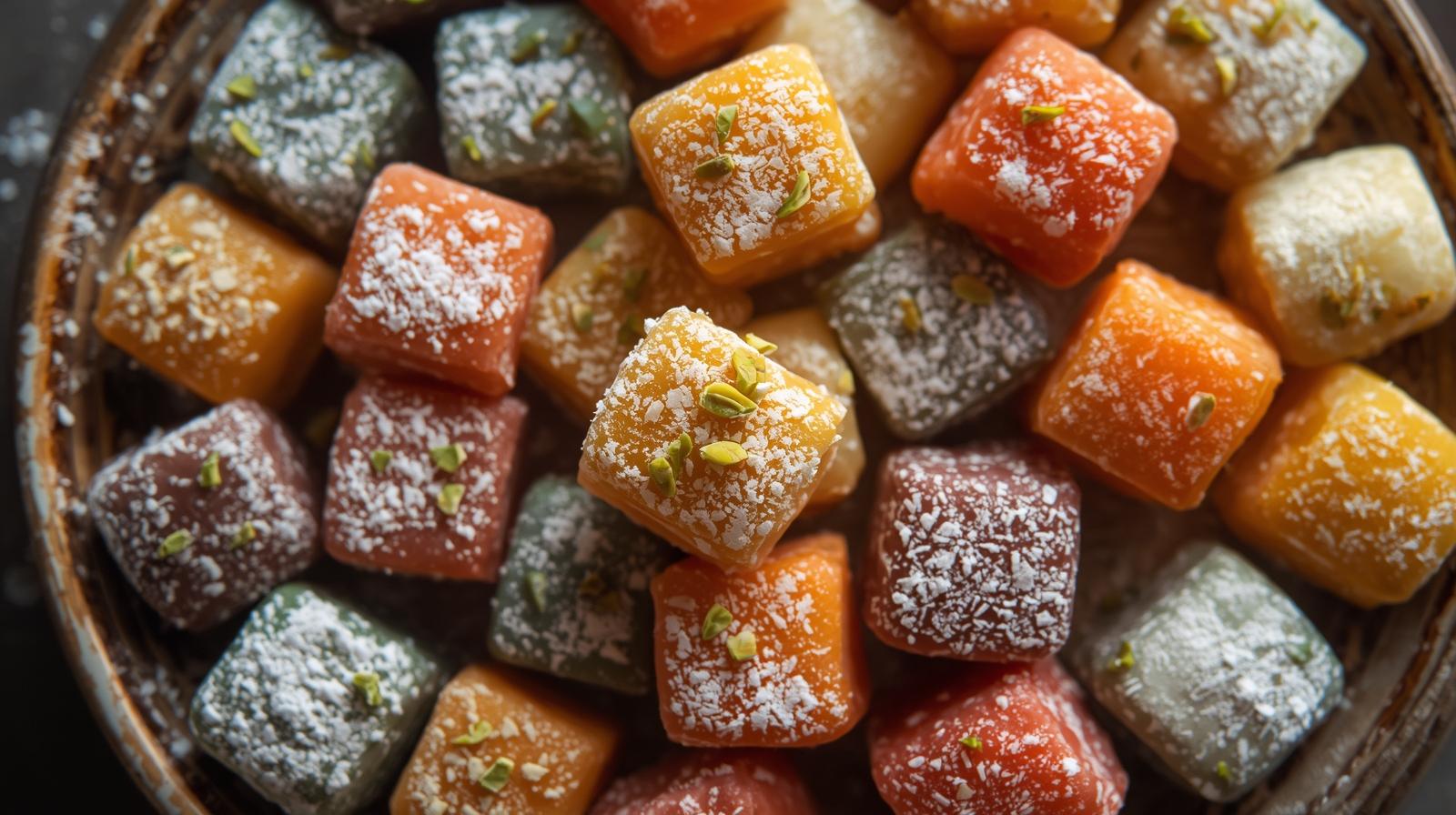
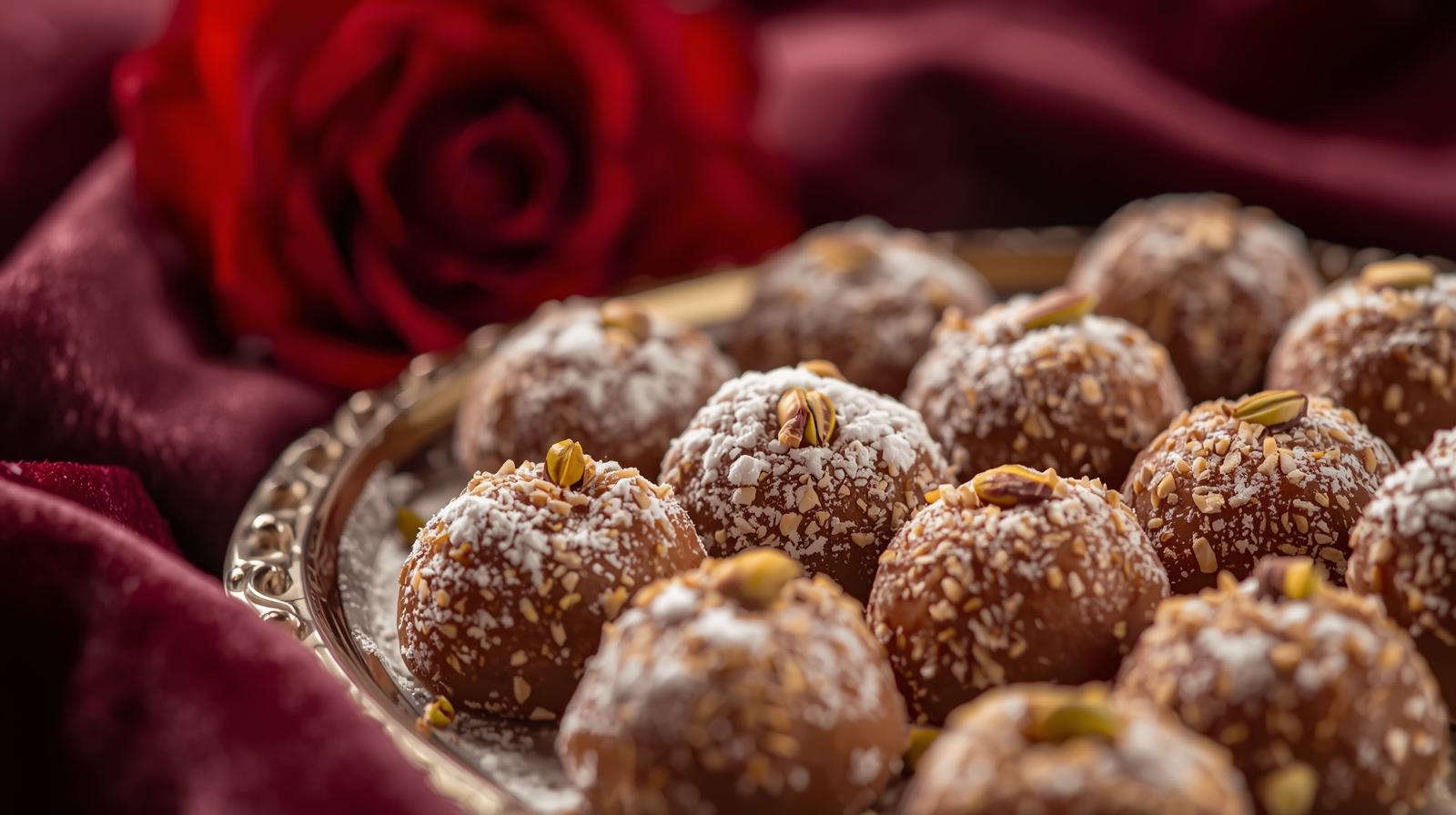
Sirins Feinkost, though deeply rooted in Turkish tradition, operates extensively within Germany, serving both wholesale and specialty retail markets. They are renowned for their unwavering commitment to historical recipes. Their core strength lies in their classic double-roasted pistachio Sirins Turkish delight collection and the delicate rosewater and lemon varieties, often sold dusted exclusively with fine powdered sugar rather than coconut flakes.

  • Specialty: Sultan’s Selection (a mixture of premium nut-filled lokum).
  • Quality Marker: Using slow-cook copper pot methods for perfect crystallization.
  • Distribution: High-end delicatessens and specialized ethnic food stores across major German cities like Berlin, Munich, and Cologne, located in Wehr.

Berliner Delikatessen Manufaktur (The Artisan Innovator)

This manufacturer focuses heavily on the modern European palate, often creating seasonal and innovative lokum blends that appeal to a younger, gourmet demographic. Berliner Delikatessen Manufaktur is one of the few German companies experimenting successfully with organic fruit purees and less traditional flavors such as lavender, dark chocolate coating, or matcha green tea lokum. Their commitment to transparency is highly valued, detailing the regional source of nuts and flavorings.

  • Specialty: Vegan and low-sugar lokum options, utilizing natural alternatives like agave syrup.
  • Quality Marker: Certified organic ingredients, minimizing artificial colorings.
  • Market Position: Premium pricing, found in specialized food halls and high-traffic online gourmet portals.

Die Orientalische Konfektion (The Master Importer & Finisher)

While primarily an importer, Die Orientalische Konfektion plays a vital role by partnering exclusively with a handful of small, award-winning Turkish artisans who cannot manage German-scale export logistics themselves. They manage all post-import quality checks, packaging, and regulatory compliance within their German facility, guaranteeing freshness from Istanbul to Hamburg. Their focus is on ensuring the purity of traditional flavors, making them a reliable source for authentic, high-grade lokum.

  • Specialty: Rare flavor combinations, such as mastic gum and bergamot lokum, often only available seasonally.
  • Quality Marker: Extremely high turnaround rate ensures maximum shelf freshness.
  • Consumer Note: Recognized widely for providing consistent quality often surpassing direct-from-Turkey offerings due to superior German logistics.

Where to Purchase the Best Lokum in Germany

Finding premium lokum requires looking beyond the standard supermarket aisles. The best places to purchase the products from the manufacturers listed above include:

Specialty Delicatessen Shops (Feinkostläden)

These stores, particularly in cosmopolitan areas, prioritize quality and often carry smaller, artisanal batches. They are ideal for purchasing fresh, uncut lokum by weight.

Online Retailers and Direct Manufacturer Shops

Many top manufacturers and purveyors maintain comprehensive German-language online shops, providing the widest selection of exotic and seasonal lokum flavors. Buying directly often guarantees the best pricing and freshest stock.

High-End Department Stores

Luxury food sections in stores like KaDeWe in Berlin or Oberpollinger in Munich often stock premium confectionery, including beautifully packaged gourmet Turkish delight that makes for an excellent gift.

The Future of Lokum in the German Confectionery Market

The German market is increasingly demanding transparency and quality in international foods. The manufacturers who succeed are those who respect the ancient tradition of lokum making while simultaneously adhering to the rigorous safety and organic standards expected by the European consumer. As awareness grows regarding the health benefits and natural flavors of truly authentic lokum, German purveyors will continue to innovate and deliver this exquisite treat to a wider, appreciative audience.
Read more

The Definitive Guide to the Best Lokum Manufacturers in Istanbul: A History of Turkish Delight

The Sweet History: Why Istanbul is the Global Epicenter of Lokum Excellence

Istanbul, a city where East meets West, is not just a hub of history and culture, but the undisputed global capital of sweets, chief among them being lokum. Known globally as Turkish Delight, lokum is far more than a confectionery; it is an intrinsic part of Ottoman heritage, hospitality, and celebration. The texture—soft, chewy, and slightly elastic—combined with aromatic flavors like rosewater, pistachio, or bergamot, distinguishes true artisanal traditional Turkish delight from mass-produced imitations.

Choosing the “best” manufacturer in a city steeped in this tradition can be daunting. Expertise lies not just in the recipe, but in the adherence to centuries-old slow-cooking techniques and the insistence on high-quality, natural ingredients. This guide delves deep into the criteria, history, and current titans of the Istanbul lokum manufacturing world, providing an expert roadmap for aficionados and curious travelers alike.

Criteria for Identifying Authentic, High-Quality Lokum

What separates the exceptional lokum manufacturer from the ordinary vendor? Quality rests on several key pillars that connoisseurs rigorously observe:

1. Ingredients and Absence of Glucose Syrup

The hallmark of premium lokum is the use of natural sugars and authentic flavorings. Traditional manufacturers utilize real fruit juices, genuine nuts (often Antep pistachios), and natural coloring agents. Critically, the best manufacturers avoid high-fructose corn syrup or excessive glucose syrup, which cheapens the flavor and produces an overly sticky, glass-like texture. True Turkish Delight relies on a perfect balance of cornstarch and sugar cooked slowly.

2. Texture and Chew

A superior piece of lokum should yield easily to the bite but retain a certain chewiness without sticking aggressively to the teeth. It should feel cool and moist, dissolving cleanly on the palate, leaving behind the rich, nuanced flavors of the infusion and fillings.

3. The Finishing Dust

While often overlooked, the dusting agent is crucial. High-end lokum is typically finished with icing sugar, powdered nuts, or coconut flakes, which serve to preserve the internal moisture and prevent sticking. The dust should be fine, evenly applied, and should not mask the vibrant colors or natural aroma of the candy underneath.

The Historical Giants: Istanbul’s Legacy Lokum Masters

The most respected lokum manufacturers in Istanbul are those whose histories span empires, whose recipes are closely guarded family secrets, and whose names are synonymous with quality.

Ali Muhiddin Hacı Bekir: The Originator (Since 1777)

No discussion of Turkish Delight is complete without recognizing Ali Muhiddin Hacı Bekir. Established during the Ottoman Empire in the late 18th century, Hacı Bekir is credited with formalizing the modern recipe for lokum. Their longevity testifies to their unwavering commitment to traditional methods. When Hacı Bekir opened his small sweet shop in Istanbul’s Bahçekapı district, he quickly gained prominence, eventually becoming the official confectioner to the Sultan in 1820.

What makes Hacı Bekir stand out is its adherence to the original, slightly simpler flavor profiles—rose, lemon, and mastic—though they have expanded their offerings significantly. Their cooking method, which requires meticulous timing and temperature control over open copper kettles, results in an incomparably delicate texture. While their shops are less focused on modern packaging than some competitors, the history and purity of their product are unmatched. For an authentic taste of Ottoman tradition, the Hacı Bekir brand remains the benchmark for lokum quality globally.

Hafız Mustafa 1864: The Modern Icon of Quality

Hafız Mustafa 1864 is arguably the most famous name among contemporary visitors to Istanbul, largely due to their visually stunning displays and immaculate presentation. Founded by İsmail Hakkı Bey, whose son Hafız Mustafa established the first shop in Eminönü, this brand has become a symbol of luxury Turkish confectionery. Their history is deeply rooted in the mastery of traditional sweets, extending beyond lokum to include baklava and puddings.

Hafız Mustafa excels in innovation while maintaining quality. Their selection of lokum is vast, featuring sophisticated flavors such as chocolate-covered pistachio, kiwi, or saffron-infused delight. They are renowned for their use of large, whole nuts and robust fruit pastes. The manufacturing process is tightly controlled, ensuring consistency across their multiple high-traffic locations. While popular with tourists, their quality control means they consistently deliver a product that meets expert standards, making them essential viewing for anyone seeking the best Istanbul has to offer.

Modern Excellence and Accessible Quality

While the historical houses provide the blueprint, several modern manufacturers have successfully scaled their operations while maintaining significant quality control, making their lokum accessible worldwide.

Koska: Tradition Meets Industrial Scale

The Koska brand has a history stretching back to 1907, originating in Denizli before establishing its substantial operations in Istanbul. Koska is the powerhouse of Turkish Delight production, expertly navigating the challenge of large-scale manufacturing without completely sacrificing tradition. They have achieved global recognition and are often the brand found in high-end international food stores.

Koska’s appeal lies in its reliability and strict adherence to hygiene standards. Their range is enormous, catering to every price point, but their premium lines—often labeled ‘double roasted’ or containing high proportions of specific nuts—are competitive with smaller artisanal shops. For commercial buyers or those needing reliably packaged lokum, Koska represents the intersection of Turkish tradition and modern food safety standards.

Tuğba Kuruyemiş: The Nut Specialists

While primarily known as a dried fruit and nut specialist, Tuğba Kuruyemiş (Tuğba Dried Nuts) operates several highly reputable stores in Istanbul and maintains an exceptional quality standard for their lokum offerings. What distinguishes Tuğba is the quality and generosity of their nut fillings. Their pistachio lokum is particularly renowned, using top-tier Antep pistachios, often yielding a richer, more profound flavor than competitors.

Tuğba often focuses on freshness and rotating stock, ensuring that the lokum purchased has not been sitting for extended periods. They represent an excellent choice for those looking for a slightly less commercialized but equally high-quality manufacturer, often found in popular bazaar areas, maintaining the traditional sensory experience of a classic Turkish sweet shop.

Expert Buyer’s Guide: Finding the Best Lokum in Istanbul

When searching for the absolute best lokum among Istanbul’s thousands of vendors, follow these expert tips:

  • Taste Before You Buy: Reputable manufacturers will always offer samples. True quality lokum should not be overtly sweet, but rather harmoniously balanced with the flavor of the infusion (rose, lemon, etc.).
  • Examine the Ingredients Label: Even if buying small amounts, inquire about the sugar source. If the product relies heavily on artificial sweeteners or high-fructose corn syrup, avoid it.
  • Check the Cut: Authentic lokum is hand-cut and should appear slightly irregular and rustic, rather than perfectly uniform squares, though high-volume manufacturers like Koska will have greater uniformity.
  • Visit Multiple Locations: While the historical shops in Sultanahmet and Eminönü are famous, don’t overlook smaller, regional specialty shops in areas like Kadıköy or Beşiktaş, which often carry incredibly fresh lokum from local, boutique manufacturers.

Conclusion: The Enduring Legacy of Istanbul’s Lokum

The journey through the best lokum manufacturers in Istanbul is a culinary exploration of history itself. From Hacı Bekir, who refined the original recipe for the Sultan, to Hafız Mustafa 1864, who mastered presentation and variety, the city offers a tiered excellence rarely matched elsewhere.

Whether you seek the simple, pure tradition embodied by the historical masters or the reliable, high-volume consistency offered by modern brands, choosing lokum from these established names guarantees an authentic, high-quality experience. The true mark of a great manufacturer is not just the initial sweetness, but the lingering, fragrant flavor that reminds you of the rich, sweet soul of Istanbul.

Read more

The Definitive Guide to Lokum: Exploring the Rich and Varied Types of Turkish Delight

Introduction: The Ancient Art of Lokum Making

Turkish Lokum, known globally as Turkish Delight, is far more than a simple confectionery; it is an edible piece of Turkish history, dating back to the Ottoman Empire. Crafted from a simple base of starch and sugar, the true magic of lokum lies in its infinite capacity for variation. From plain, subtle sugar cubes to elaborate, nut-studded masterpieces, understanding the diverse types of lokum requires a journey through flavor, texture, and tradition.

As expert confectioners will attest, the quality of authentic Turkish lokum from Sirin’s is measured by its elasticity and resilience. It should cut easily but resist tearing, offering a tender chew that melts delicately on the palate. This comprehensive guide serves as your essential resource to navigating the rich universe of this iconic sweet.

The Foundation: Traditional and Classic Lokum Types

The earliest forms of lokum were straightforward, prioritizing the purity of the sugar and the skill of the preparation. These foundational varieties remain the most popular worldwide, setting the standard against which all other lokum is judged.

Sade Lokum (The Original Plain Delight)

Sade translates simply to ‘plain.’ This is the purest form of Turkish Delight. Often dusted generously with powdered sugar, Sade lokum contains no added flavorings or nuts. It is an ideal palate cleanser and is often served alongside strong Turkish coffee. Its simplicity allows the masterful texture—the delicate balance between chewiness and softness—to take center stage, proving that sometimes, less truly is more when enjoying authentic lokum.

Nut-Filled Lokum (Fındıklı, Fıstıklı, Cevizli)

The addition of nuts elevated lokum from a simple sweet to a luxurious dessert. These are perhaps the most recognizable forms of Turkish Delight outside of Turkey:

  • Fıstıklı Lokum (Pistachio): Using high-quality Antep pistachios (from Gaziantep), this is arguably the king of lokum. The vibrant green nuts provide a satisfying crunch that contrasts beautifully with the soft gelatinous base.
  • Fındıklı Lokum (Hazelnut): Utilizing hazelnuts, a staple crop of the Black Sea region, this variety offers a milder, earthier flavor profile than pistachio.
  • Cevizli Lokum (Walnut): Often appearing in rolls rather than cubes, walnut lokum is denser and chewier, pairing the slight bitterness of the walnuts with intense sweetness. This type is particularly popular during winter months.

Citrus, Spice, and Floral Delights: Infused Lokum

The Ottoman kitchens perfected the art of infusion, using natural essences to create intoxicating aromas and distinct flavors. These infused lokum types appeal strongly to the sense of smell as well as taste.

Gül Lokumu (Rosewater Turkish Delight)

Rosewater lokum is the quintessential flavor that most people associate with Turkish Delight globally. Its delicate floral aroma is achieved using high-quality rose petals or rose essential oil. The flavor is light, sweet, and highly aromatic. Authentic Gül lokumu should taste subtly floral, not overwhelmingly perfumed, making it a perfect accompaniment to unsweetened black tea.

Limon ve Portakal Lokumu (Lemon and Orange)

These citrus varieties offer a refreshing counterpoint to the traditional sweetness. Lemon lokum is often slightly tart, using citric acid and natural zest, providing a bright, clean finish. Orange lokum tends to be sweeter and richer, capturing the warm essence of sun-ripened fruit. Both types are often visually appealing, sporting pastel yellow or orange hues.

Specialty Spice and Flavor Infusions

Beyond the common flavors, specialized lokum utilizes complex spices:

  • Nane Lokumu (Mint): A cooling, refreshing variety often preferred after rich meals.
  • Tarçın Lokumu (Cinnamon): Offers a warming, spicy profile, often popular in the autumn and winter.
  • Damla Sakızlı Lokum (Mastic): A highly unique flavor derived from the resin of the mastic tree, primarily grown on the Greek island of Chios. Mastic gives the lokum a slightly piney, earthy, and uniquely chewy texture.

Premium and Gourmet Varieties: Elevated Lokum

Modern artisan confectioners and historic Ottoman recipes have given rise to premium lokum varieties that incorporate higher-fat ingredients or rare spices, transforming the humble delight into a truly gourmet experience.

Sütlü Lokum (Cream/Milk Turkish Delight)

Unlike traditional lokum, which is water-based, Sütlü lokum uses milk or clotted cream (kaymak) in its preparation. The resulting product is significantly softer, creamier, and less translucent. It possesses a slightly richer, butterier flavor profile, leaning more towards a dense fudge or truffle texture than the traditional jelly-like chew. Due to its dairy content, this lokum often has a shorter shelf life and is best enjoyed fresh.

Sultan Lokumu (The Royal Treat)

Often considered the most luxurious type, Sultan lokumu (or Imperial Delight) frequently combines multiple elements. It might be filled with clotted cream, wrapped in finely chopped pistachios, and sometimes features strands of Turkish Kadayıf (shredded pastry) within the structure for added texture. These are often made in large rolls, sliced thick, and presented as individual, decadent servings.

Exotic Fruit and Herb Lokum

High-end shops often feature flavors incorporating dried exotic fruits or rare spices:

  • Zencefilli Lokum (Ginger): Offers a fiery kick balanced by sweetness.
  • Zereşk Lokumu (Barberry): Incorporates tart, deep red barberries, providing a distinct sour-sweet profile that cleanses the palate.
  • Safranlı Lokum (Saffron): Colored and flavored with valuable saffron threads, giving it an earthy, luxurious hue and taste.

External Coatings and Presentation Styles

The final presentation of lokum significantly impacts its texture and eating experience. While most traditional varieties are cut into cubes, the coating material is essential for preventing sticking and adding flavor contrast.

Classic Dusting vs. Shredded Coatings

Most lokum is dusted with fine powdered sugar (pudra şekeri) or sometimes a mixture of cornstarch and sugar. However, some popular variations involve thicker coatings:

  • Hindistan Cevizi Lokumu (Coconut Flakes): Coating the pieces in finely shredded coconut adds a tropical flavor and a coarse, slightly chewy outer texture. This is particularly popular with rosewater or milk-based lokum.
  • Nut-Covered Rolls: Instead of mixing nuts into the base, some premium varieties are rolled entirely in ground pistachios or walnuts, providing a dense, nutty exterior that encases a smooth, creamy center.

Kadayıf Covered Lokum (Tel Kadayıf Lokumu)

A highly unique preparation involves coating the lokum pieces with fine strands of tel kadayıf (shredded dough), which are then briefly toasted. This creates an unparalleled crunchy exterior that shatters when bitten into, contrasting sharply with the soft, gooey interior. This specialty preparation showcases the versatility and innovation of modern Turkish confectioners working within traditional frameworks.

Conclusion: Choosing Your Perfect Lokum

The vast world of Turkish lokum offers something for every palate, whether you prefer the simple elegance of Sade lokum or the complex layering of flavors found in Sultan varieties. When purchasing, look for elasticity, vibrant, natural colors (especially in rosewater and pistachio types), and a clean, non-gritty finish. The best lokum should always be fresh, handmade, and enjoyed slowly, preferably with a cup of robust Turkish coffee or plain tea, allowing the diverse flavors and textures to shine.

Read more

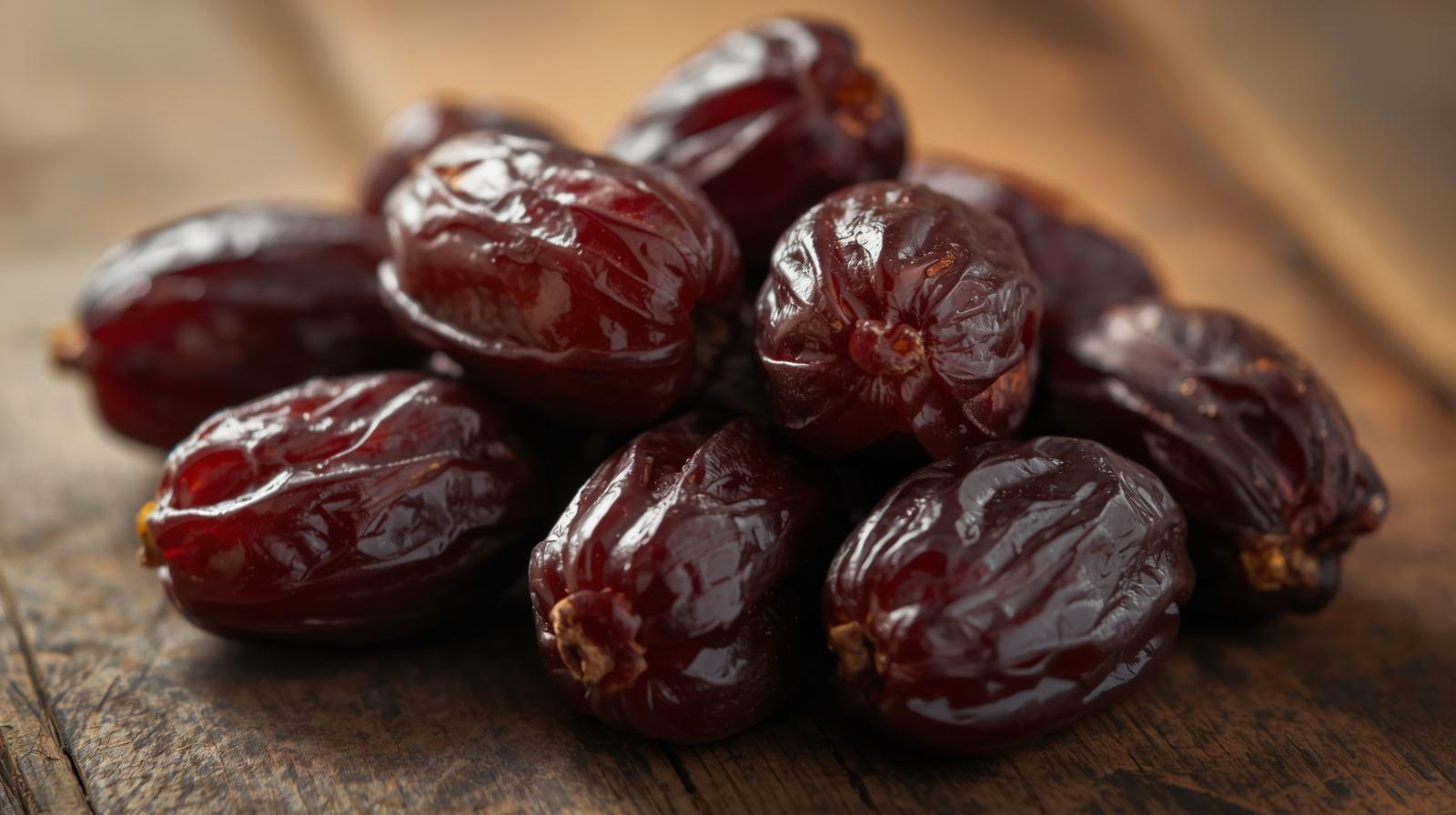
Datteln aus Medina – Premium Dates from Sirins Feinkost

Datteln aus Medina: A Symbol of Tradition and Natural Sweetness

Among the many varieties of dates enjoyed around the world, Datteln aus Medina hold a very special place. Grown in the region of Medina, these dates are known for their soft texture, deep natural sweetness, and cultural significance that goes far beyond taste alone.

For centuries, dates from Medina have been valued not only as a nourishing food but also as a symbol of hospitality, mindfulness, and tradition. Their flesh is tender, their flavor balanced, and their quality unmistakable when compared to industrially produced alternatives.

What Makes Datteln aus Medina Unique?

Authentic dates from Medina are appreciated for:

  • A naturally soft and juicy consistency
  • Mild caramel-like sweetness without artificial notes
  • Careful harvesting and traditional handling
  • High quality suitable for everyday enjoyment or special occasions

Unlike overly dried or processed dates, genuine Datteln aus Medina are meant to be enjoyed slowly—on their own, with tea, or as part of a thoughtful food ritual.

Where to Buy Authentic Dates from Medina

For those seeking carefully selected Datteln aus Medina, Sirins Feinkost offers premium-quality dates sourced with attention to origin and freshness. At sirins.de, the focus is on authenticity, reliable sourcing, and products that reflect true culinary heritage.

Whether you are looking for dates for personal enjoyment, gifting, or cultural traditions, choosing a trusted specialist ensures quality you can taste.

👉 Explore authentic Datteln aus Medina at https://sirins.de

Explore Premium Date Varieties at Sirins Feinkost

In addition to traditional Datteln aus Medina, Sirins Feinkost also offers a carefully curated selection of premium date varieties for different tastes and needs. Each product reflects a commitment to quality, origin, and authenticity:

Discover the full range of premium dates and authentic delicacies at https://sirins.de, where tradition meets carefully selected quality.

Read more

The Definitive Guide to Lokum: Unwrapping the History, Ingredients, and Delight of Authentic Turkish Delight

Understanding Lokum: More Than Just a Sweet Treat

Few confections carry the historical weight and cultural significance of Turkish Delight. Known throughout its homeland as lokum (from the Arabic luqūm, meaning ‘morsels’), this ancient sweet is not merely candy; it is an intrinsic part of Turkish and Middle Eastern hospitality, history, and culinary identity. Often misunderstood internationally, true, high-quality lokum is characterized by a unique, springy texture, delicate flavor profiles, and a generous coating of icing sugar or coconut flakes.

For centuries, lokum has evolved from simple palate cleanser to a sophisticated delicacy enjoyed globally. This expert guide dives deep into the origin, preparation, regional varieties, and crucial cultural role of this iconic Turkish treasure.

The Etymology and Rich History of Lokum

The history of lokum is deeply rooted in the opulence and intrigue of the Ottoman Empire. While sweet confections existed in Anatolia for millennia, the specific recipe and form recognizable today solidified during the 17th and 18th centuries in Constantinople (Istanbul).

The Ottoman Imperial Kitchens

Legends trace the creation of the modern recipe back to the reign of Sultan Abdülhamid I in the late 18th century, who demanded a unique sweet to satisfy his demanding palate. The court confectioners were tasked with creating a sweet that was softer, more resilient, and more refined than the hard sugar candies common at the time. The resulting confection, utilizing starch and purified sugar, quickly became an instant hit within the Topkapi Palace, initially called rahat ul-hulkum (comfort for the throat).

The Global Spread: Ali Muhiddin Hacı Bekir

The true international breakthrough of lokum is owed to Hacı Bekir Effendi, a celebrated confectioner who opened his shop in Istanbul in 1777. Bekir refined the recipe, substituting honey and molasses with refined sugar and stabilizing the mixture with starch. His fame grew, and by the 19th century, European travelers discovered the treat. An anonymous British traveler, finding the Ottoman name too cumbersome, simply dubbed it ‘Turkish Delight,’ the name by which it is primarily known in the English-speaking world.

Ingredients and The Art of Lokum Production

The seemingly simple list of ingredients for lokum belies the meticulous, time-consuming process required to achieve its signature texture and flavor.

The Core Components

  • Sugar Syrup: The foundation of the treat, boiled down to a specific concentration.
  • Starch (Wheat or Corn): Crucial for setting the mixture and providing the unique gelatinous, yet non-gummy, texture.
  • Water: Used for dissolving the sugar and starch.
  • Flavorings and Inclusions: Rosewater, lemon, mastic, mint, nuts (pistachios, walnuts, hazelnuts).

The Meticulous Cooking Process

Traditional lokum production is an art requiring patience and precise temperature control. The sugar and water are boiled slowly to create a thick syrup. Simultaneously, the starch is dissolved in water. The hot syrup is then slowly introduced to the starch mixture, resulting in a thin paste.

This mixture must then be cooked—often for several hours—over low heat while being constantly stirred. This slow, steady cooking is what creates the perfect, chewy elasticity that defines true lokum. If cooked too quickly, the resulting texture will be brittle or overly sticky. Once thickened, the flavorings (such as rosewater or citrus zest) and any desired nuts are folded in. The mixture is then poured into large trays to set overnight. Finally, it is cut into small cubes and heavily dusted with a protective layer of icing sugar and starch to prevent sticking.

A Spectrum of Flavors: Varieties of Turkish Delight

While the basic structure of lokum remains consistent, the flavor profiles and fillings allow for incredible diversity, reflecting the rich agricultural bounty of the regions of Turkey.

Classic and Contemporary Varieties

The traditional, most recognizable varieties include:

  • Güllü Lokum (Rosewater): Perhaps the most classic and fragrant variety, deriving its delicate pink hue and perfumed taste from rose extract.
  • Fındıklı Lokum (Hazelnut) and Fıstıklı Lokum (Pistachio): These are usually premium varieties where large, high-quality nuts are fully incorporated into the mixture. Pistachio lokum, especially from Gaziantep, is highly prized.
  • Narenciye Lokum (Citrus): Lemon, orange, and bergamot flavors provide a refreshing, tangy contrast to the sweetness.
  • Sade Lokum (Plain/Mastic): Often translucent, flavored subtly with mastic (a resin from the Greek island of Chios, often cultivated near the Turkish coast), lending it a piney, slightly savory note.

Premium and Specialty Lokum

Regional makers often innovate with high-end varieties, such as those that include cream (kaymak) or are coated in pomegranate extract, providing a tart, deep red color. Double-roasted varieties—where the nuts are roasted twice—offer a deeper, crunchier texture, signifying higher quality.

Cultural Significance and Modern Consumption

In Turkish culture, lokum is inextricably linked to hospitality and celebration. It is rare to visit a Turkish home or establishment without being offered this sweet.

The Coffee Companion

The most common traditional pairing is lokum and Turkish coffee. The intense, unfiltered bitterness of the coffee is perfectly balanced by the sweet, light, and soft nature of the delight. It serves as a palate cleanser, intended to be consumed in a single bite following the coffee, leaving a pleasant finish.

Gifts and Festivities

Lokum is frequently gifted during religious holidays (like Eid al-Fitr and Eid al-Adha) and is often presented beautifully packaged in ornate boxes as a symbol of good fortune and friendship. Furthermore, when traveling abroad, high-quality lokum serves as a beloved souvenir, representing the essence of Turkish craftsmanship.

Identifying Quality: Why Authentic Lokum Matters

Due to its global popularity, many mass-produced versions of Turkish Delight exist, often using gelatin instead of traditional starch or relying heavily on artificial flavorings and colors. These inferior versions typically lack the springy chewiness and delicate aroma of genuine lokum.

Authentic lokum should be:

  • Elastic, Not Sticky: It should resist light pressure but yield easily when bitten, never sticking to the teeth.
  • Subtly Flavored: The flavorings should be gentle—rosewater should perfume the air, not overpower the palate.
  • Naturally Colored: High-quality lokum often has muted or natural colors derived from fruits or nuts, rather than neon hues.
  • Thickly Dusted: The protective coating of powdered sugar and starch must be generous and dry.

When seeking out this traditional sweet, always prioritize artisanal makers, ideally ones who trace their lineage back to the Ottoman traditions, ensuring you taste lokum as it was truly meant to be enjoyed—a comfort for the throat, indeed.

Read more