The Definitive Guide to Lokum: Exploring the Rich and Varied Types of Turkish Delight
Introduction: The Ancient Art of Lokum Making
Turkish Lokum, known globally as Turkish Delight, is far more than a simple confectionery; it is an edible piece of Turkish history, dating back to the Ottoman Empire. Crafted from a simple base of starch and sugar, the true magic of lokum lies in its infinite capacity for variation. From plain, subtle sugar cubes to elaborate, nut-studded masterpieces, understanding the diverse types of lokum requires a journey through flavor, texture, and tradition.
As expert confectioners will attest, the quality of authentic Turkish lokum from Sirin’s is measured by its elasticity and resilience. It should cut easily but resist tearing, offering a tender chew that melts delicately on the palate. This comprehensive guide serves as your essential resource to navigating the rich universe of this iconic sweet.
The Foundation: Traditional and Classic Lokum Types
The earliest forms of lokum were straightforward, prioritizing the purity of the sugar and the skill of the preparation. These foundational varieties remain the most popular worldwide, setting the standard against which all other lokum is judged.
Sade Lokum (The Original Plain Delight)
Sade translates simply to ‘plain.’ This is the purest form of Turkish Delight. Often dusted generously with powdered sugar, Sade lokum contains no added flavorings or nuts. It is an ideal palate cleanser and is often served alongside strong Turkish coffee. Its simplicity allows the masterful texture—the delicate balance between chewiness and softness—to take center stage, proving that sometimes, less truly is more when enjoying authentic lokum.
Nut-Filled Lokum (Fındıklı, Fıstıklı, Cevizli)
The addition of nuts elevated lokum from a simple sweet to a luxurious dessert. These are perhaps the most recognizable forms of Turkish Delight outside of Turkey:
- Fıstıklı Lokum (Pistachio): Using high-quality Antep pistachios (from Gaziantep), this is arguably the king of lokum. The vibrant green nuts provide a satisfying crunch that contrasts beautifully with the soft gelatinous base.
- Fındıklı Lokum (Hazelnut): Utilizing hazelnuts, a staple crop of the Black Sea region, this variety offers a milder, earthier flavor profile than pistachio.
- Cevizli Lokum (Walnut): Often appearing in rolls rather than cubes, walnut lokum is denser and chewier, pairing the slight bitterness of the walnuts with intense sweetness. This type is particularly popular during winter months.
Citrus, Spice, and Floral Delights: Infused Lokum
The Ottoman kitchens perfected the art of infusion, using natural essences to create intoxicating aromas and distinct flavors. These infused lokum types appeal strongly to the sense of smell as well as taste.
Gül Lokumu (Rosewater Turkish Delight)
Rosewater lokum is the quintessential flavor that most people associate with Turkish Delight globally. Its delicate floral aroma is achieved using high-quality rose petals or rose essential oil. The flavor is light, sweet, and highly aromatic. Authentic Gül lokumu should taste subtly floral, not overwhelmingly perfumed, making it a perfect accompaniment to unsweetened black tea.
Limon ve Portakal Lokumu (Lemon and Orange)
These citrus varieties offer a refreshing counterpoint to the traditional sweetness. Lemon lokum is often slightly tart, using citric acid and natural zest, providing a bright, clean finish. Orange lokum tends to be sweeter and richer, capturing the warm essence of sun-ripened fruit. Both types are often visually appealing, sporting pastel yellow or orange hues.
Specialty Spice and Flavor Infusions
Beyond the common flavors, specialized lokum utilizes complex spices:
- Nane Lokumu (Mint): A cooling, refreshing variety often preferred after rich meals.
- Tarçın Lokumu (Cinnamon): Offers a warming, spicy profile, often popular in the autumn and winter.
- Damla Sakızlı Lokum (Mastic): A highly unique flavor derived from the resin of the mastic tree, primarily grown on the Greek island of Chios. Mastic gives the lokum a slightly piney, earthy, and uniquely chewy texture.
Premium and Gourmet Varieties: Elevated Lokum
Modern artisan confectioners and historic Ottoman recipes have given rise to premium lokum varieties that incorporate higher-fat ingredients or rare spices, transforming the humble delight into a truly gourmet experience.
Sütlü Lokum (Cream/Milk Turkish Delight)
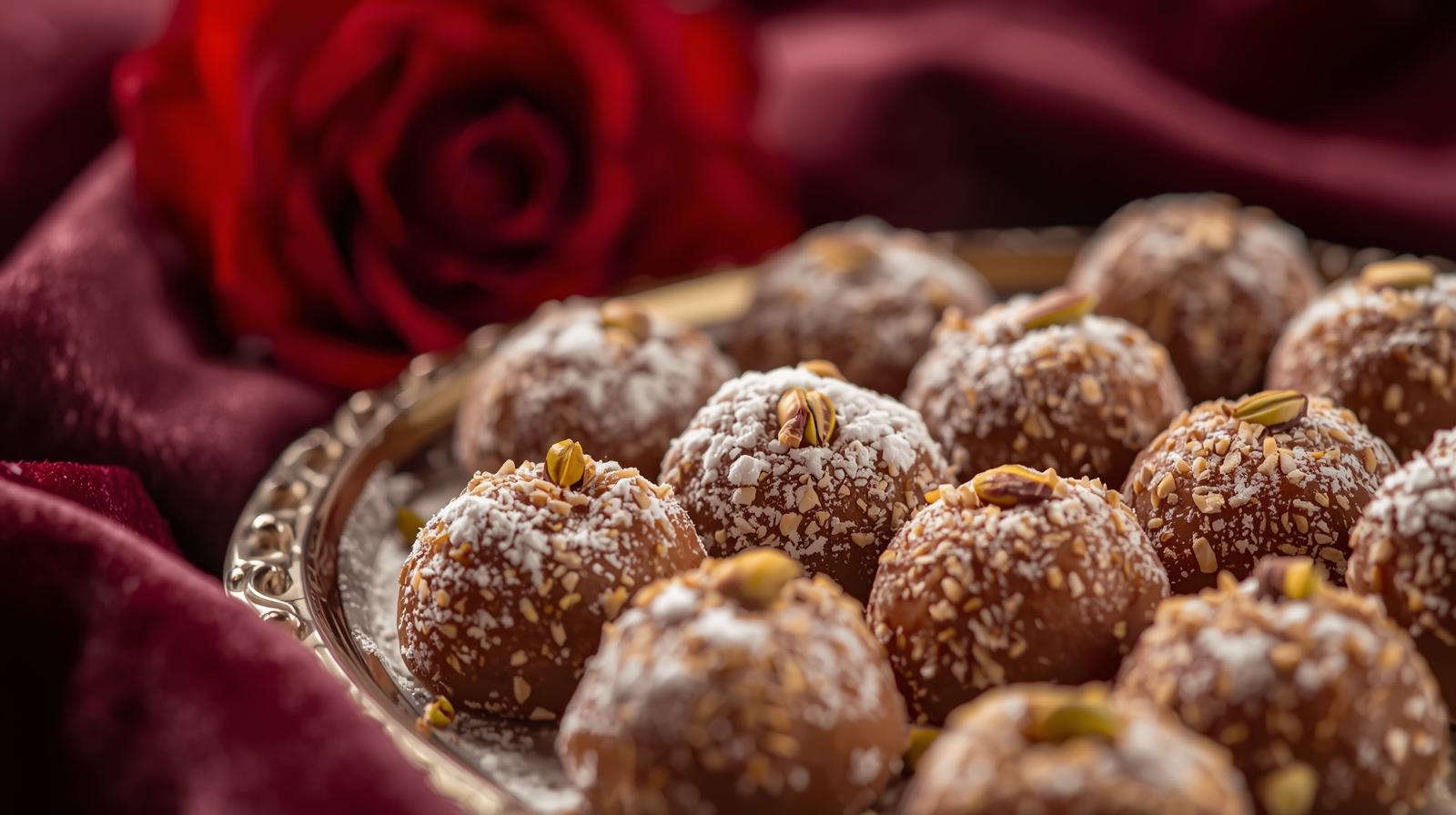
Unlike traditional lokum, which is water-based, Sütlü lokum uses milk or clotted cream (kaymak) in its preparation. The resulting product is significantly softer, creamier, and less translucent. It possesses a slightly richer, butterier flavor profile, leaning more towards a dense fudge or truffle texture than the traditional jelly-like chew. Due to its dairy content, this lokum often has a shorter shelf life and is best enjoyed fresh.
Sultan Lokumu (The Royal Treat)
Often considered the most luxurious type, Sultan lokumu (or Imperial Delight) frequently combines multiple elements. It might be filled with clotted cream, wrapped in finely chopped pistachios, and sometimes features strands of Turkish Kadayıf (shredded pastry) within the structure for added texture. These are often made in large rolls, sliced thick, and presented as individual, decadent servings.
Exotic Fruit and Herb Lokum
High-end shops often feature flavors incorporating dried exotic fruits or rare spices:
- Zencefilli Lokum (Ginger): Offers a fiery kick balanced by sweetness.
- Zereşk Lokumu (Barberry): Incorporates tart, deep red barberries, providing a distinct sour-sweet profile that cleanses the palate.
- Safranlı Lokum (Saffron): Colored and flavored with valuable saffron threads, giving it an earthy, luxurious hue and taste.
External Coatings and Presentation Styles
The final presentation of lokum significantly impacts its texture and eating experience. While most traditional varieties are cut into cubes, the coating material is essential for preventing sticking and adding flavor contrast.
Classic Dusting vs. Shredded Coatings
Most lokum is dusted with fine powdered sugar (pudra şekeri) or sometimes a mixture of cornstarch and sugar. However, some popular variations involve thicker coatings:
- Hindistan Cevizi Lokumu (Coconut Flakes): Coating the pieces in finely shredded coconut adds a tropical flavor and a coarse, slightly chewy outer texture. This is particularly popular with rosewater or milk-based lokum.
- Nut-Covered Rolls: Instead of mixing nuts into the base, some premium varieties are rolled entirely in ground pistachios or walnuts, providing a dense, nutty exterior that encases a smooth, creamy center.
Kadayıf Covered Lokum (Tel Kadayıf Lokumu)
A highly unique preparation involves coating the lokum pieces with fine strands of tel kadayıf (shredded dough), which are then briefly toasted. This creates an unparalleled crunchy exterior that shatters when bitten into, contrasting sharply with the soft, gooey interior. This specialty preparation showcases the versatility and innovation of modern Turkish confectioners working within traditional frameworks.
Conclusion: Choosing Your Perfect Lokum
The vast world of Turkish lokum offers something for every palate, whether you prefer the simple elegance of Sade lokum or the complex layering of flavors found in Sultan varieties. When purchasing, look for elasticity, vibrant, natural colors (especially in rosewater and pistachio types), and a clean, non-gritty finish. The best lokum should always be fresh, handmade, and enjoyed slowly, preferably with a cup of robust Turkish coffee or plain tea, allowing the diverse flavors and textures to shine.

Datteln aus Medina – Premium Dates from Sirins Feinkost