The Definitive Guide to Lokum: Unwrapping the History, Ingredients, and Delight of Authentic Turkish Delight
Understanding Lokum: More Than Just a Sweet Treat
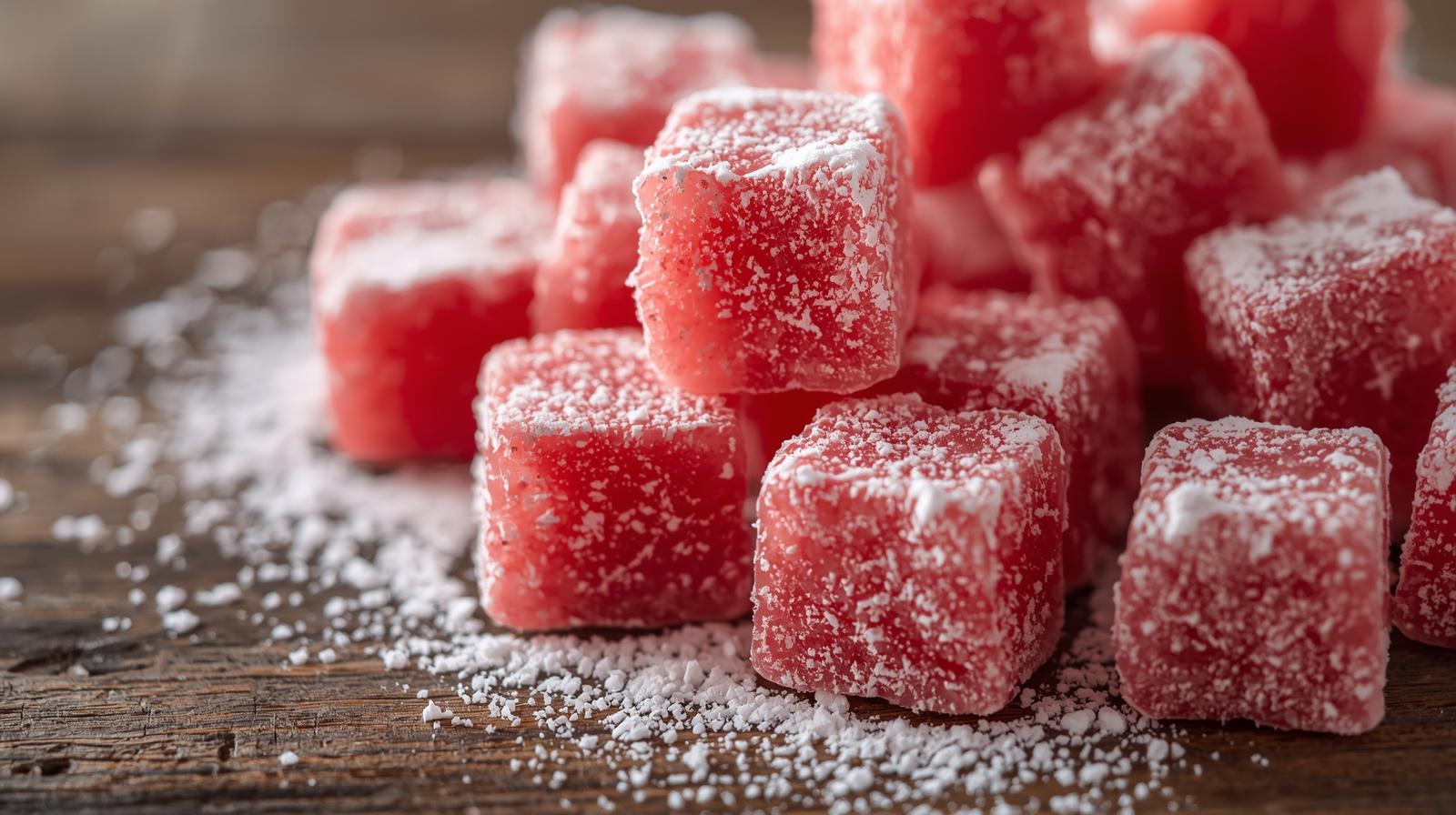
Few confections carry the historical weight and cultural significance of Turkish Delight. Known throughout its homeland as lokum (from the Arabic luqūm, meaning ‘morsels’), this ancient sweet is not merely candy; it is an intrinsic part of Turkish and Middle Eastern hospitality, history, and culinary identity. Often misunderstood internationally, true, high-quality lokum is characterized by a unique, springy texture, delicate flavor profiles, and a generous coating of icing sugar or coconut flakes.
For centuries, lokum has evolved from simple palate cleanser to a sophisticated delicacy enjoyed globally. This expert guide dives deep into the origin, preparation, regional varieties, and crucial cultural role of this iconic Turkish treasure.
The Etymology and Rich History of Lokum
The history of lokum is deeply rooted in the opulence and intrigue of the Ottoman Empire. While sweet confections existed in Anatolia for millennia, the specific recipe and form recognizable today solidified during the 17th and 18th centuries in Constantinople (Istanbul).
The Ottoman Imperial Kitchens
Legends trace the creation of the modern recipe back to the reign of Sultan Abdülhamid I in the late 18th century, who demanded a unique sweet to satisfy his demanding palate. The court confectioners were tasked with creating a sweet that was softer, more resilient, and more refined than the hard sugar candies common at the time. The resulting confection, utilizing starch and purified sugar, quickly became an instant hit within the Topkapi Palace, initially called rahat ul-hulkum (comfort for the throat).
The Global Spread: Ali Muhiddin Hacı Bekir
The true international breakthrough of lokum is owed to Hacı Bekir Effendi, a celebrated confectioner who opened his shop in Istanbul in 1777. Bekir refined the recipe, substituting honey and molasses with refined sugar and stabilizing the mixture with starch. His fame grew, and by the 19th century, European travelers discovered the treat. An anonymous British traveler, finding the Ottoman name too cumbersome, simply dubbed it ‘Turkish Delight,’ the name by which it is primarily known in the English-speaking world.
Ingredients and The Art of Lokum Production
The seemingly simple list of ingredients for lokum belies the meticulous, time-consuming process required to achieve its signature texture and flavor.
The Core Components
- Sugar Syrup: The foundation of the treat, boiled down to a specific concentration.
- Starch (Wheat or Corn): Crucial for setting the mixture and providing the unique gelatinous, yet non-gummy, texture.
- Water: Used for dissolving the sugar and starch.
- Flavorings and Inclusions: Rosewater, lemon, mastic, mint, nuts (pistachios, walnuts, hazelnuts).
The Meticulous Cooking Process
Traditional lokum production is an art requiring patience and precise temperature control. The sugar and water are boiled slowly to create a thick syrup. Simultaneously, the starch is dissolved in water. The hot syrup is then slowly introduced to the starch mixture, resulting in a thin paste.
This mixture must then be cooked—often for several hours—over low heat while being constantly stirred. This slow, steady cooking is what creates the perfect, chewy elasticity that defines true lokum. If cooked too quickly, the resulting texture will be brittle or overly sticky. Once thickened, the flavorings (such as rosewater or citrus zest) and any desired nuts are folded in. The mixture is then poured into large trays to set overnight. Finally, it is cut into small cubes and heavily dusted with a protective layer of icing sugar and starch to prevent sticking.
A Spectrum of Flavors: Varieties of Turkish Delight
While the basic structure of lokum remains consistent, the flavor profiles and fillings allow for incredible diversity, reflecting the rich agricultural bounty of the regions of Turkey.
Classic and Contemporary Varieties
The traditional, most recognizable varieties include:
- Güllü Lokum (Rosewater): Perhaps the most classic and fragrant variety, deriving its delicate pink hue and perfumed taste from rose extract.
- Fındıklı Lokum (Hazelnut) and Fıstıklı Lokum (Pistachio): These are usually premium varieties where large, high-quality nuts are fully incorporated into the mixture. Pistachio lokum, especially from Gaziantep, is highly prized.
- Narenciye Lokum (Citrus): Lemon, orange, and bergamot flavors provide a refreshing, tangy contrast to the sweetness.
- Sade Lokum (Plain/Mastic): Often translucent, flavored subtly with mastic (a resin from the Greek island of Chios, often cultivated near the Turkish coast), lending it a piney, slightly savory note.
Premium and Specialty Lokum
Regional makers often innovate with high-end varieties, such as those that include cream (kaymak) or are coated in pomegranate extract, providing a tart, deep red color. Double-roasted varieties—where the nuts are roasted twice—offer a deeper, crunchier texture, signifying higher quality.
Cultural Significance and Modern Consumption
In Turkish culture, lokum is inextricably linked to hospitality and celebration. It is rare to visit a Turkish home or establishment without being offered this sweet.
The Coffee Companion
The most common traditional pairing is lokum and Turkish coffee. The intense, unfiltered bitterness of the coffee is perfectly balanced by the sweet, light, and soft nature of the delight. It serves as a palate cleanser, intended to be consumed in a single bite following the coffee, leaving a pleasant finish.
Gifts and Festivities
Lokum is frequently gifted during religious holidays (like Eid al-Fitr and Eid al-Adha) and is often presented beautifully packaged in ornate boxes as a symbol of good fortune and friendship. Furthermore, when traveling abroad, high-quality lokum serves as a beloved souvenir, representing the essence of Turkish craftsmanship.
Identifying Quality: Why Authentic Lokum Matters
Due to its global popularity, many mass-produced versions of Turkish Delight exist, often using gelatin instead of traditional starch or relying heavily on artificial flavorings and colors. These inferior versions typically lack the springy chewiness and delicate aroma of genuine lokum.
Authentic lokum should be:
- Elastic, Not Sticky: It should resist light pressure but yield easily when bitten, never sticking to the teeth.
- Subtly Flavored: The flavorings should be gentle—rosewater should perfume the air, not overpower the palate.
- Naturally Colored: High-quality lokum often has muted or natural colors derived from fruits or nuts, rather than neon hues.
- Thickly Dusted: The protective coating of powdered sugar and starch must be generous and dry.
When seeking out this traditional sweet, always prioritize artisanal makers, ideally ones who trace their lineage back to the Ottoman traditions, ensuring you taste lokum as it was truly meant to be enjoyed—a comfort for the throat, indeed. You can check Sirins Feinkost for lokum.